Subway has over 37,000 locations worldwide. That kind of scale means the hiring process is not one thing. It is hundreds of slightly different things run by independent franchise owners.
If you want a job at Subway, forget the idea that there is one universal process. The store you apply to matters more than the company itself. I think this makes Subway one of the trickiest fast-food chains to prepare for, specifically because every franchise owner sets their own tone. One location runs structured interviews. The next one hires you on the spot.
The good news? Once you understand how it actually works, the path forward gets a lot shorter.
What Subway Is Actually Hiring For Right Now
The core position at Subway is the Sandwich Artist. That title covers food prep, customer orders, cleaning, and cash handling. It is the job that keeps every location running.
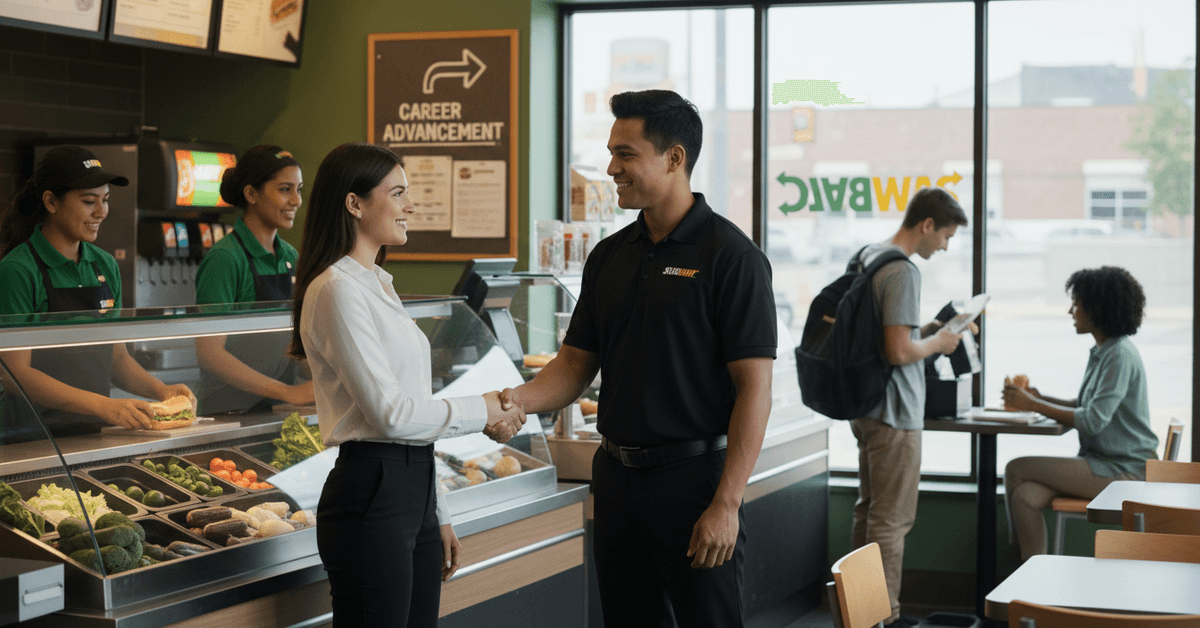
From there, two roles sit above it: Shift Supervisor and Store Manager. Supervisors oversee staff during a shift and step in when issues come up. Managers handle everything from scheduling to health compliance to store budgets.
Store Manager roles sometimes go to external candidates, but internal promotion is more common. If you start as a Sandwich Artist with the goal of moving up, that path is real at Subway. It just depends on which franchise owner you are working for.
Does Experience Matter at Subway?
I was skeptical that Subway would genuinely hire with zero experience until I kept seeing the same pattern across job listings: no prior food service required for Sandwich Artist roles. The position is built around on-the-job training.
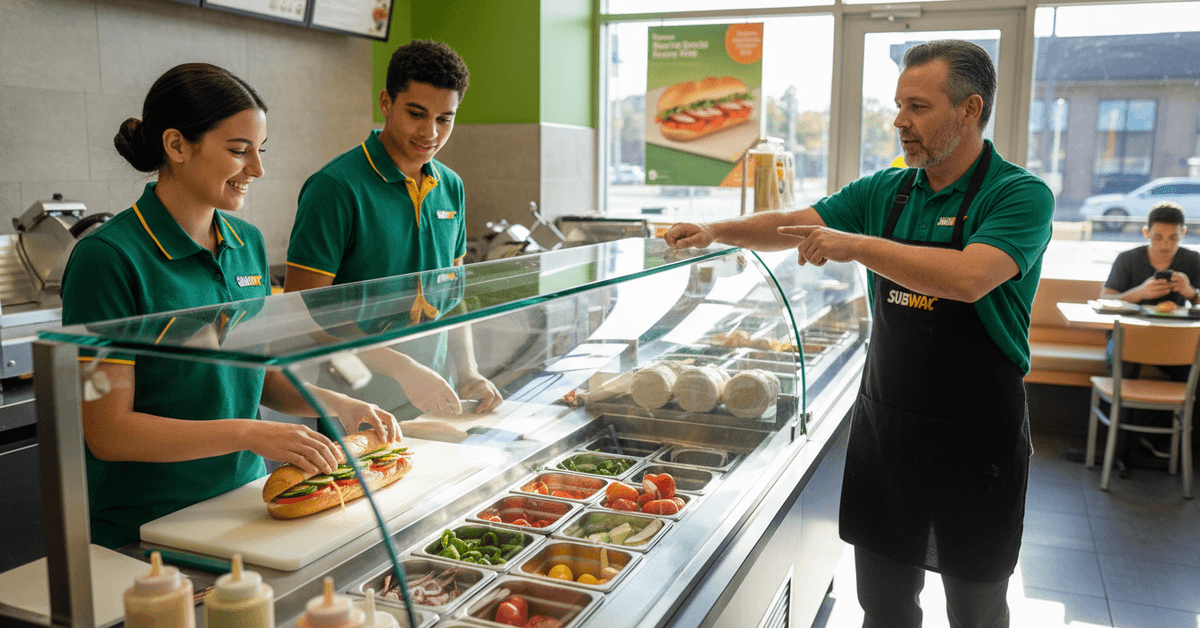
What matters more is availability and attitude.
Franchise owners want someone who shows up, learns fast, and does not make customer interactions harder than they need to be. A resume with customer service experience helps. A blank resume does not disqualify you.
The Subway Application Process, Step by Step
Where to Find Open Positions
Start at the Subway Careers page. It lists open roles by location and lets you filter by country.
Third-party sites like Indeed also carry Subway listings, and those sometimes include extra detail from the franchise owner about what they are specifically looking for. Cross-checking both is worth the two minutes.
Some locations still accept walk-in applications. Stopping by during a slow period (mid-morning or early afternoon on a weekday) and asking about openings is not outdated. It actually gives you a face-to-face advantage before the interview even happens.
Filling Out the Application
The form asks for contact details, availability, and a short work history. Fill out availability honestly. Listing every hour as available sounds good, but franchise owners can tell when someone is padding it, and it creates scheduling problems later.
Attach a resume if you have one. Keep it to one page. Pull out anything related to customer service, teamwork, or managing tasks under pressure.
If you have never worked before, list school clubs, volunteer work, or any situation where you handled responsibility in front of other people.
What Happens After You Apply
Some stores respond within 24 hours. Others take a week. If you have not heard back after five to seven days, a short follow-up call or email is acceptable. Keep it brief and direct.
Once you are called in, the interview will likely be informal. Many Subway franchise owners are the ones doing the hiring, which means the conversation can feel more like a quick chat than a formal panel interview.
That is not a reason to be casual about it. Show up early, dress clean, and bring your ID.
The Interview: What They Are Actually Checking
Three Questions That Come Up Constantly
Subway interviews are not complicated, but they tend to cover the same ground:
- “Why do you want to work here?” (They want to hear something specific, not generic.)
- “Tell me about a time you dealt with a difficult customer.” (If you have no work history, describe a situation where you handled conflict or pressure.)
- “How do you handle cleaning and food prep during a busy shift?” (This is about organization and staying calm, not culinary skill.)
The interviewer is not always running through a checklist. A lot of Subway franchise owners are scanning for one thing: will this person make the job harder or easier? A calm, direct, cooperative presence matters more than polished answers.
The Scheduling Question Is Not Casual
When they ask about your availability, that is one of the most loaded questions in the room.
Weekend and evening shifts are harder to fill. Saying you can work Friday nights or Sunday mornings gives you a real edge over candidates who list only daytime weekday availability.
I think most job guides skim over this, but at Subway in particular, the willingness to cover unpopular shifts can matter more than any other factor at the entry level.
Age, Work Authorization, and Legal Requirements
Subway hires from age 16 in many countries, but this is not universal.
Some roles, particularly those involving late-night hours or specific equipment, require applicants to be 18. Local labor laws control this, and the franchise owner is responsible for compliance.
Non-citizens need valid work authorization. Subway franchise operators follow strict legal requirements around employment documentation. Having your paperwork ready before the interview prevents delays if an offer comes quickly.
A background check may be part of the process depending on the region and the franchise owner’s policy. Not every location runs one, but preparing for it is worth doing.
What the Job Actually Looks Like Once You Start
Onboarding at Subway
New hires go through paperwork, food safety videos, and some amount of in-store shadowing. The exact format depends on the franchise. Some locations run a structured multi-day process. Others have you working a full shift by day two.
Food safety is the one non-negotiable. Every Subway employee, regardless of role, learns the basics of safe food handling, temperature requirements, and cross-contamination prevention. This is not optional and not casual.
What Advancement Actually Looks Like
Subway’s internal promotion path is real, but it is franchise-dependent. A great Shift Supervisor at one location might move to an Assistant Manager role within six months. At another location, the same performance might go unnoticed for a year.
The factors that get noticed across the board are consistent attendance, positive customer feedback, and a willingness to handle problems without being asked twice. Reviews and mentorship programs exist at some franchises, but not all.
Employee Perks Worth Knowing
Most Subway employees get some form of meal discount or free food during shifts. Full-time roles at some franchises come with broader benefits, though this varies. Performance bonuses and health insurance do exist at certain locations, but they are not standard across the chain.
| Role | Primary Duties | Typical Starting Point |
|---|---|---|
| Sandwich Artist | Food prep, customer service, cleaning | Entry level, no experience required |
| Shift Supervisor | Staff oversight, problem-solving, standards | Promoted from Sandwich Artist |
| Store Manager | Scheduling, budgeting, health compliance | Internal promotion or external hire |
The table above is a rough map. The actual scope of each role shifts by franchise.
Tips That Actually Change Your Odds
Every job guide lists tips. These are the ones that hold up specifically for Subway:
- Visit the store before you apply. Talk to someone working there. Ask what hours are hardest to staff. That information shapes how you fill out your availability.
- Double-check your contact details on the application. Missed callbacks because of a wrong phone number happen more than people admit.
- Mention any language skills. Subway locations in bilingual or multilingual communities frequently need staff who can communicate with a wider customer base.
- Follow up once. A polite call or email after a week shows initiative. Two follow-ups in the same week shows desperation.
I genuinely disagree with the common advice to list maximum availability on every application.
At Subway, franchise owners are scheduling around real shifts, and an availability that covers 7 days and 60 hours sounds great on paper but triggers skepticism.
Listing the hours you can actually commit to, and making sure some of those include evenings and weekends, is more effective than appearing infinitely available.
Questions People Ask About Getting a Job at Subway
Q: Can a 15-year-old work at Subway? The minimum age at Subway is 16 in most countries, but some locations and regions require applicants to be at least 18 for specific roles. Check local labor laws for your area before applying.
Q: Do you need a food handler’s certificate to work at Subway? Many locations provide food safety training as part of onboarding, so a certificate is not always required upfront. Some regions have local rules that require it before you start, so it is worth confirming with the specific location.
Q: How long does Subway take to respond after applying? Response times range from same-day to about two weeks, depending on the franchise. A follow-up after five to seven days is appropriate and often expected.
Q: Does Subway pay weekly or biweekly? Pay schedules vary by franchise owner. Asking about payment frequency during the interview is a reasonable question and does not come across as inappropriate.
Q: Is the Subway Sandwich Artist title just a marketing gimmick? It is a real job title used internally and externally. The role covers food preparation, customer interaction, sanitation, and cash handling. Calling it a marketing gimmick undersells what the job actually requires during a busy lunch shift.
Conclusion
A Subway job in 2026 is one of the more accessible entry points into the workforce, but accessible does not mean automatic.
The franchise structure means your experience will depend heavily on which specific owner you end up working for. Going in with that understanding puts you ahead of most applicants who treat it like a monolithic corporate chain.
Spend ten minutes at the store before you apply, know your honest availability, and show up to the interview like punctuality is a personality trait. Those three things do more than any polished resume ever will.