Landing the right role at adidas starts with a clean search and a clean application. The Adidas Jobs application process runs best through the official adidas careers portal, since it’s the most consistent source of live openings across regions.
Listings also appear on large job boards, yet the portal remains the safest “source of truth” for role details, team labels, and application status.
Hiring speed varies by market and role, though candidate-reported timelines often land around one to four weeks for many retail roles, based on aggregated interview feedback on sites like Indeed and Glassdoor.
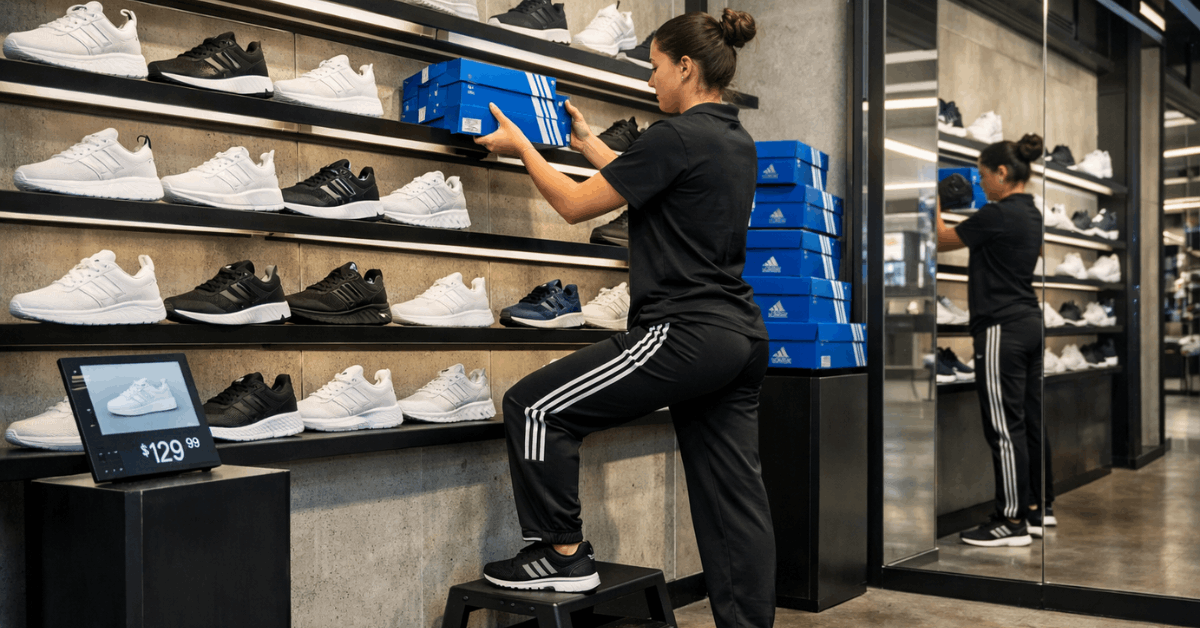
Where To Find Open Roles
Official postings sit on the adidas careers site, organized by location, team, and job family. Filters usually allow quick narrowing by country, city, and function, which helps avoid wasting time on roles tied to a different hub or language requirement.
Adidas also runs “life at Adidas” style content on its careers pages, which can help align a resume with the brand’s culture cues and role expectations. Job boards still matter for speed, especially if alerts and saved searches are already set up.
Roles in the markets often show up on Jobstreet and LinkedIn, and retail-focused openings can also appear on Indeed, depending on the region. Treat those listings as discovery tools, then match the job ID, location, and team on the adidas portal before submitting anything.
Steps To Submit an Adidas Jobs Application
A solid application flow stays simple, yet small details make a big difference. Role competition can be high, so clarity and completeness usually beat “creative” formatting.
- Create A Profile On The adidas Careers Portal: Account creation keeps applications organized and supports status updates across multiple submissions.
- Filter Openings By Location And Function: Location filters matter for work authorization, language needs, and hiring timelines. Function filters help separate store roles from corporate teams like Brand Management & Communications or Design.
- Match The Resume To The Role Keywords: Retail roles often reward measurable outcomes: conversion, basket size, units per transaction, shrink control, or inventory accuracy. Corporate roles usually reward portfolio proof, campaign metrics, or cross-functional project ownership.
- Submit Through The Portal Or A Verified “Apply” Path: Some postings route through LinkedIn’s apply flow, yet the safest approach remains submitting via the adidas portal when available.
- Track The Application And Prepare Early: Interview requests can arrive fast for store hiring, especially during seasonal spikes, so availability and documents should be ready.
Retail Roles and What Hiring Teams Look For
Retail hiring tends to move faster than many corporate tracks, and expectations stay practical. Store leaders often hire for reliability, customer handling, and team energy first, then train the rest.
Sales Associate
The Sales Associate role usually sits closest to the customer and the product. Strong fits often show comfort with busy foot traffic, consistent service tone, and basic selling techniques that don’t feel pushy.
Product knowledge helps, yet the bigger signal is learning speed, since new drops and seasonal launches keep changing priorities.
Store teams also value accuracy. Point-of-sale habits, cash handling, size runs, and stockroom organization affect customer experience more than most applicants expect.
Store Supervisor
The Store Supervisor role adds leadership pressure without fully leaving the floor. Expect a heavier focus on coaching, shift execution, and accountability for store standards.
Interviewers often probe how conflict gets handled, how underperformance gets corrected, and how schedules and breaks stay fair under pressure.
Leadership examples land better when tied to outcomes. Mentoring a new hire to hit targets, fixing a backroom workflow, or reducing stock variance reads stronger than vague “team player” claims.
Assistant Store Manager
The Assistant Store Manager role sits between daily floor execution and full store accountability. Targets, labor planning, team development, and customer escalation often land here.
Proof points can include driving sell-through, improving visual standards, reducing returns through better fitting support, or keeping shrink under control during peak months.
Resume wording should mirror the job post. “Led opening and closing routines,” “managed daily KPIs,” and “coached associates” to communicate scope quickly.
Marketing and Corporate Roles That Show Up Often
Corporate tracks look more specialized, and postings may cluster around global or regional hubs. Team names vary, yet core patterns show up repeatedly on the adidas portal:
- Brand Management & Communications,
- Design,
- Digital,
- Sales,
- People & Culture, and
- Supply Chain.
Brand Communications and Marketing
Roles can include brand comms, digital account marketing, seasonal activations, and campaign support.
Hiring teams usually want evidence of outcomes: performance lift, engagement growth, conversion improvements, or clean execution across channels. Case studies help, yet only real ones belong in an application.
Marketing applicants often win by showing collaboration skills. Cross-functional work is common, so clear stakeholder handling and timeline management should show up in bullets and interview stories.
Design and Creative Teams
Design postings can span product, digital, or brand creative work depending on the hub. Portfolios tend to carry more weight than credentials alone, so work samples should match the role’s style. Clean context matters:
- goal,
- constraint,
- process, and
- final output.
Sales and Account-Facing Roles
Corporate sales roles can include customer service, field account work, or regional coordination.
Customer-facing experience from stores can transfer well, especially when paired with structured communication and problem resolution. Adidas also posts customer service and sales roles across different regions, so location filters remain essential.
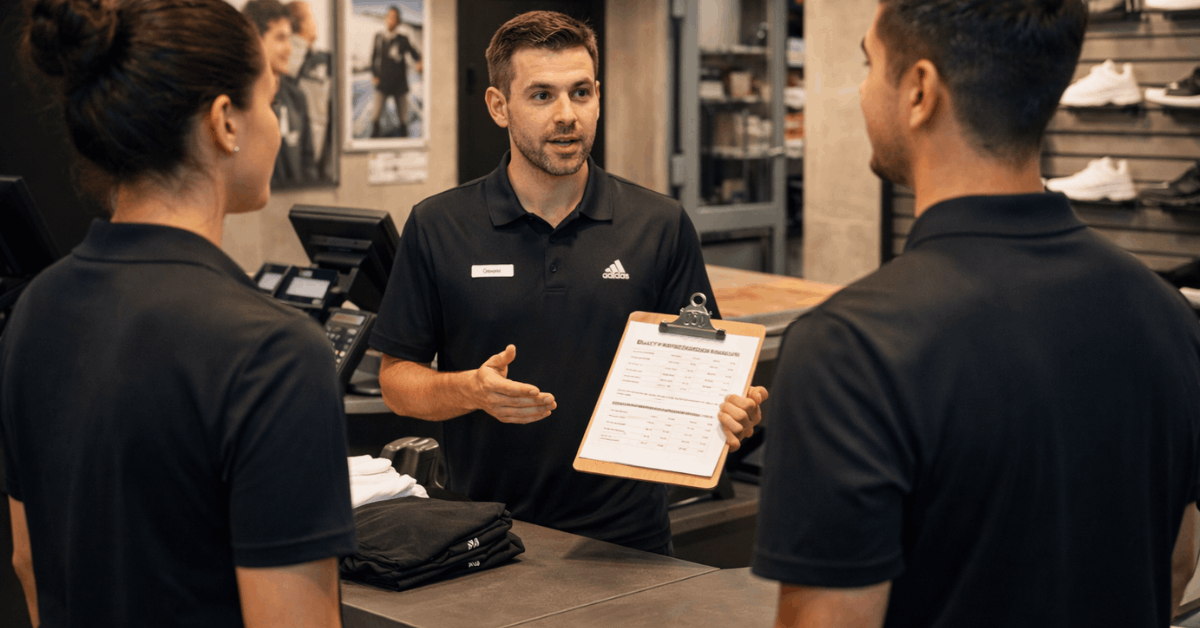
Interview Process, Timeline, and What To Prepare
Most candidates report a generally favorable retail interview experience, and common timelines often fall around one to four weeks depending on region, season, and role level.
Aggregated reports on Indeed and Glassdoor show many retail candidates describing hiring windows around one to two weeks for some roles, while overall averages can run longer.
- Screening or Quick Store-Level Call: Basic fit checks cover availability, location, and role understanding.
- Interview Round Focused On Behaviors: Retail questions usually target customer handling, teamwork, and pressure moments. Supervisor and manager roles lean harder into leadership scenarios.
- Practical Checks and Documents: Some markets add assessments, reference checks, or simple role plays. Document needs vary by country, so local instructions matter.
- Offer and Onboarding Steps: Onboarding can include training blocks, store policy review, and role-specific compliance steps.
Preparation tends to pay off in predictable areas: brand research, basic product familiarity, clear examples of customer conflict resolution, and numbers that prove impact.
Career Path Options: Retail To Corporate, Plus Early-Career Programs
Retail work can build a legitimate runway into corporate functions, especially when results and leadership growth are documented over time. Adidas describes retail career levels that move from learning core store skills to managing teams and then leading districts or shifting laterally into corporate support functions like HR, merchandising, or retail operations leadership.
Early-career routes also exist for students and graduates. The adidas internship path can run seasonally and may vary by location; updates and behind-the-scenes hiring content often appear on the adidas Careers Instagram account.
Graduate development can include the Functional Trainee Program, which adidas describes as a rotational trainee setup that can run roughly 18 to 24 months, depending on the specific track. Rotations across departments help build breadth, and performance can lead to an entry-level role after completion.
Progression rarely follows one formula. Strong signals still repeat: consistent store results, visible leadership habits, and a clear reason for shifting into a specific function rather than chasing a vague “corporate job.”
Last Thoughts
Landing an adidas role gets easier once the process stays disciplined. Start on the adidas careers portal, confirm the exact location and team, then tailor the resume to the role’s real signals like sales impact, customer handling, leadership, or portfolio proof.
Hiring timelines can move fast in retail and slower in corporate, so readiness matters more than guesswork.
Keep applications clean, track each submission, and bring concrete examples into interviews, and then the decision tends to come down to fit, availability, and evidence you can deliver in their environment.